
Languages of antiquity
Sumer and Akkad
Mesopotamia · c. 3300–539 BCE
In Mesopotamia, the land between the Euphrates and the Tigris, one of the world's earliest scripts arose around 3300 BCE. For three millennia cuneiform recorded Sumerian, a language with no known relatives, and Semitic Akkadian, the speech of the Babylonians and Assyrians – and it preserved the earliest great epic poem, the Epic of Gilgamesh.
The land between the rivers
The Greek word Mesopotamia means “the land between the rivers”. In the south of this plain, where the Euphrates and Tigris could be used for irrigation, the first cities grew up in the 4th millennium BCE: around 3000 BCE Uruk had tens of thousands of inhabitants. The Sumerian city-states – Uruk, Ur, Lagash, Kish – competed for water and land.
In the 24th century BCE they were united by Sargon of Akkad, founder of the region's first empire. Later came Ur, the Babylon of King Hammurabi, Assyria and the Neo-Babylonian empire of Nebuchadnezzar II; Mesopotamia's independent history ended when the Persian king Cyrus conquered Babylon in 539 BCE.
Writing born of bookkeeping
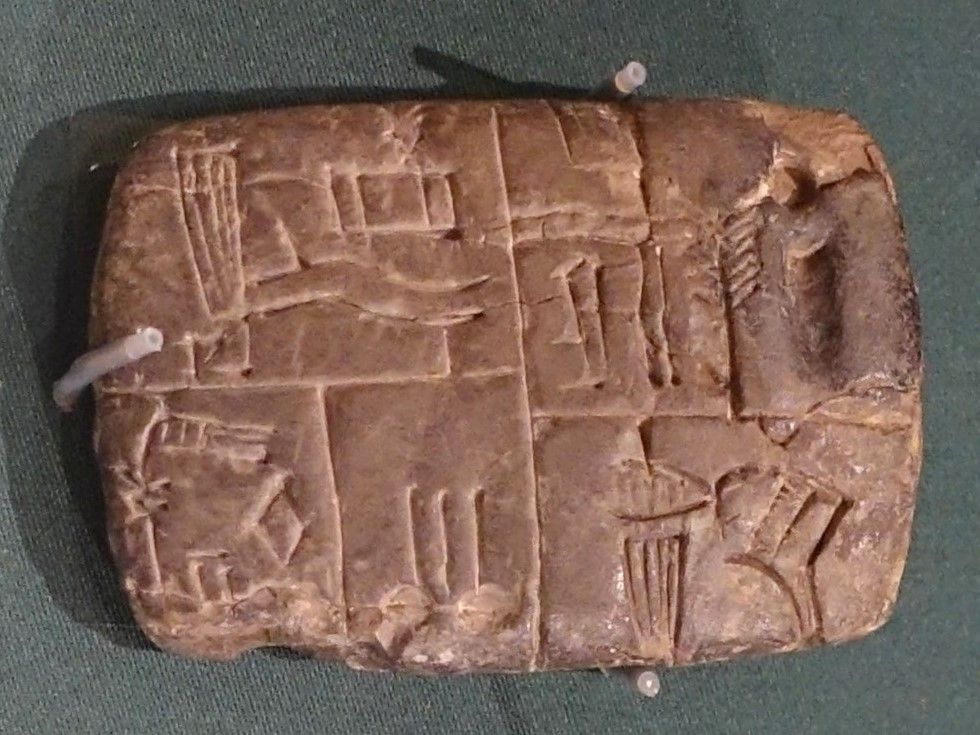
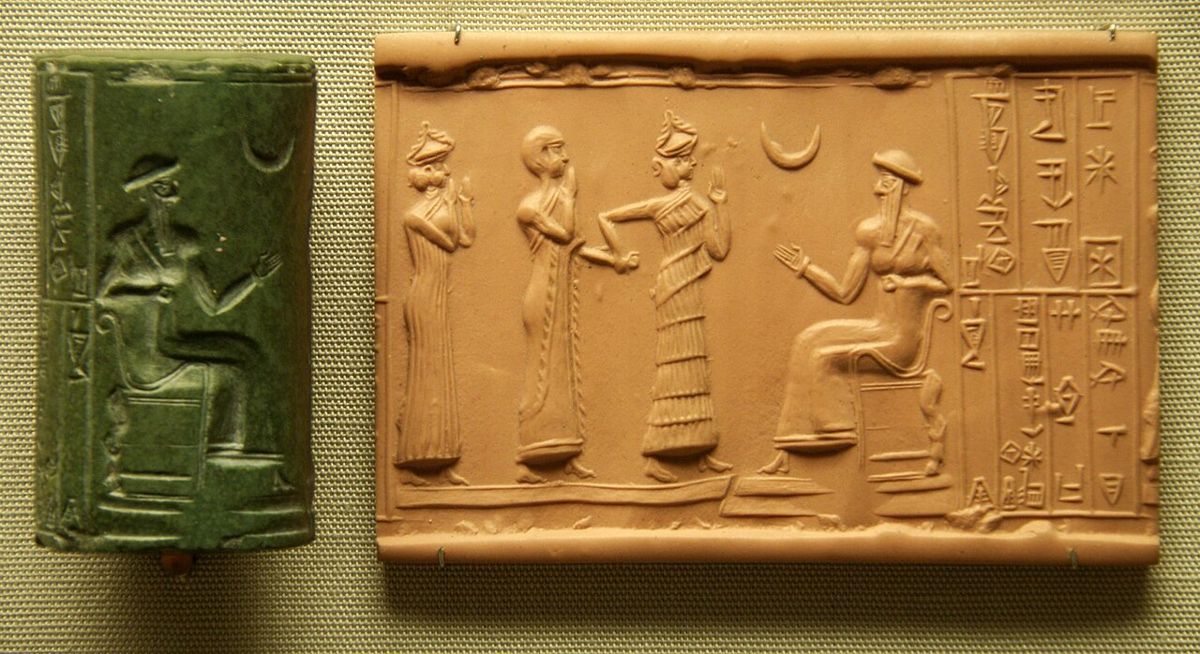
The earliest tablets from Uruk, from around 3300–3100 BCE, are largely temple accounts: numbers of sheep, rations of grain, beer, workers. Scribes drew pictorial signs into damp clay with a point and impressed numbers with the blunt end of the stylus. Gradually they began to impress them with a cut reed – and the lines became wedges, which gave the script its name.
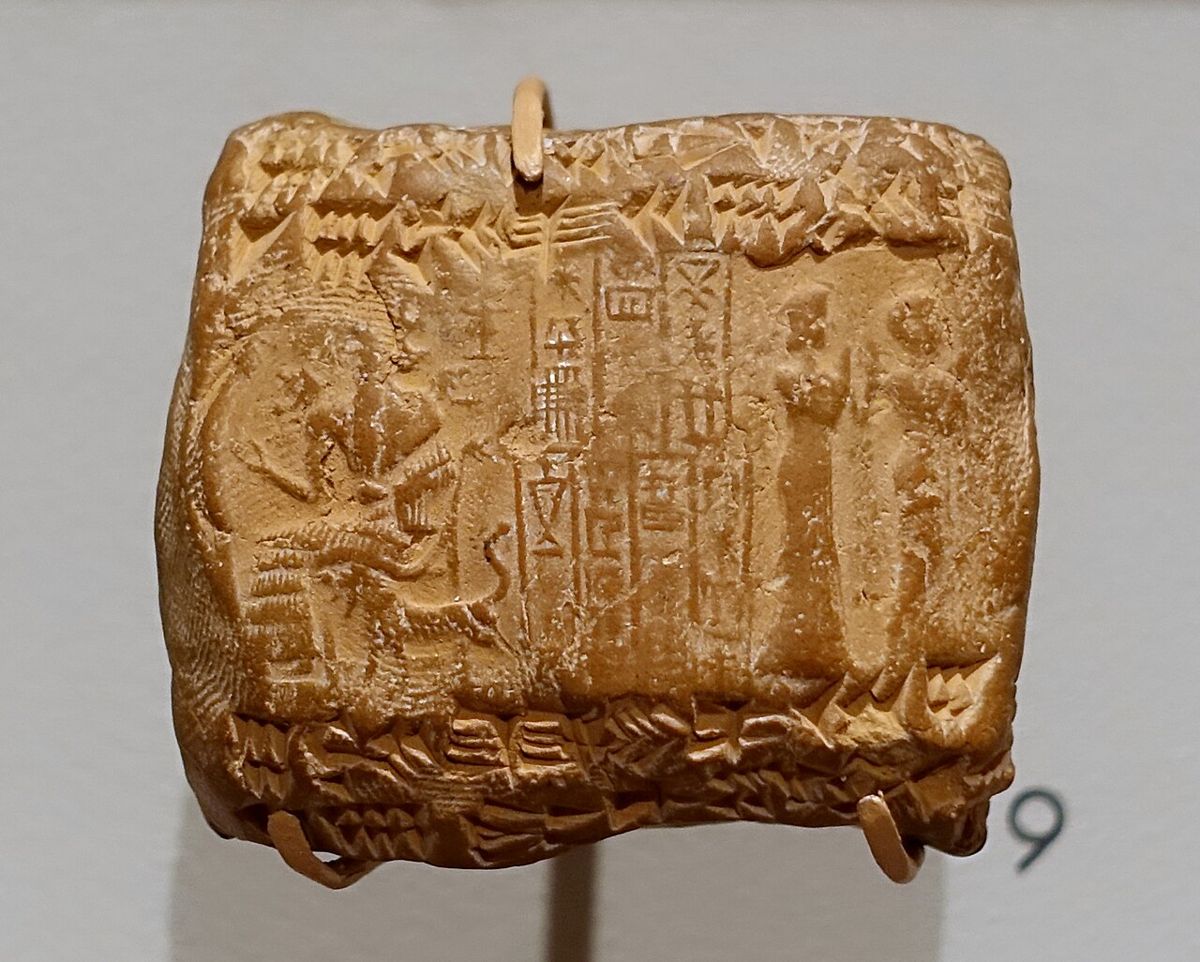
Over the centuries the signs were simplified and turned by 90 degrees, so that the original pictures are hard to recognise today. In time the script learned to record sounds as well: the sign for “arrow” (Sumerian ti) could also stand for the similar-sounding word til “life”, and so pictures became syllables.
Sumerian: a language without relatives
Sumerian is a language isolate: it is not related to any known language. It is agglutinative – prefixes and suffixes are strung onto a root – and ergative: the subject of a transitive verb takes a special ending -e, different from the subject of an intransitive verb. Word order is subject – object – verb.
As a spoken language Sumerian gave way to Akkadian around the turn of the 3rd and 2nd millennia BCE. Scribes nevertheless went on studying and copying it until the end of cuneiform, much as Latin was cultivated in medieval Europe.
lugal-e e₂ mu-un-du₃
- lugal-e
- king (-e = agent ending)
- e₂
- house
- mu-un-du₃
- (he) built (-n- = “he” as agent)
The king built the house.This model sentence shows the Sumerian ergative ending -e on the agent and the verb at the end of the sentence. The word lugal, “king”, is itself made of lu₂ “man” and gal “great”; e₂-gal, “great house”, means palace and, via Akkadian ekallum, reached Hebrew (hêḵāl, “temple”).
Sample signs
- AN / DINGIRsky; god; determinative before gods' names
- KIearth, place
- E₂house
- GALgreat
- LU₂man
- LUGALking
- UDday, sun
- Awater; syllable a
- KURmountain, foreign land
- SAGhead
e₂-gal“great house” = palace; Akkadian ekallum
A single sign often has several readings: 𒀭 is read an “sky”, dingir “god”, Akkadian ilu, and before gods' names it is an unpronounced determinative. The signs are rendered with the Noto Sans Cuneiform font.
Akkadian: the language of diplomacy
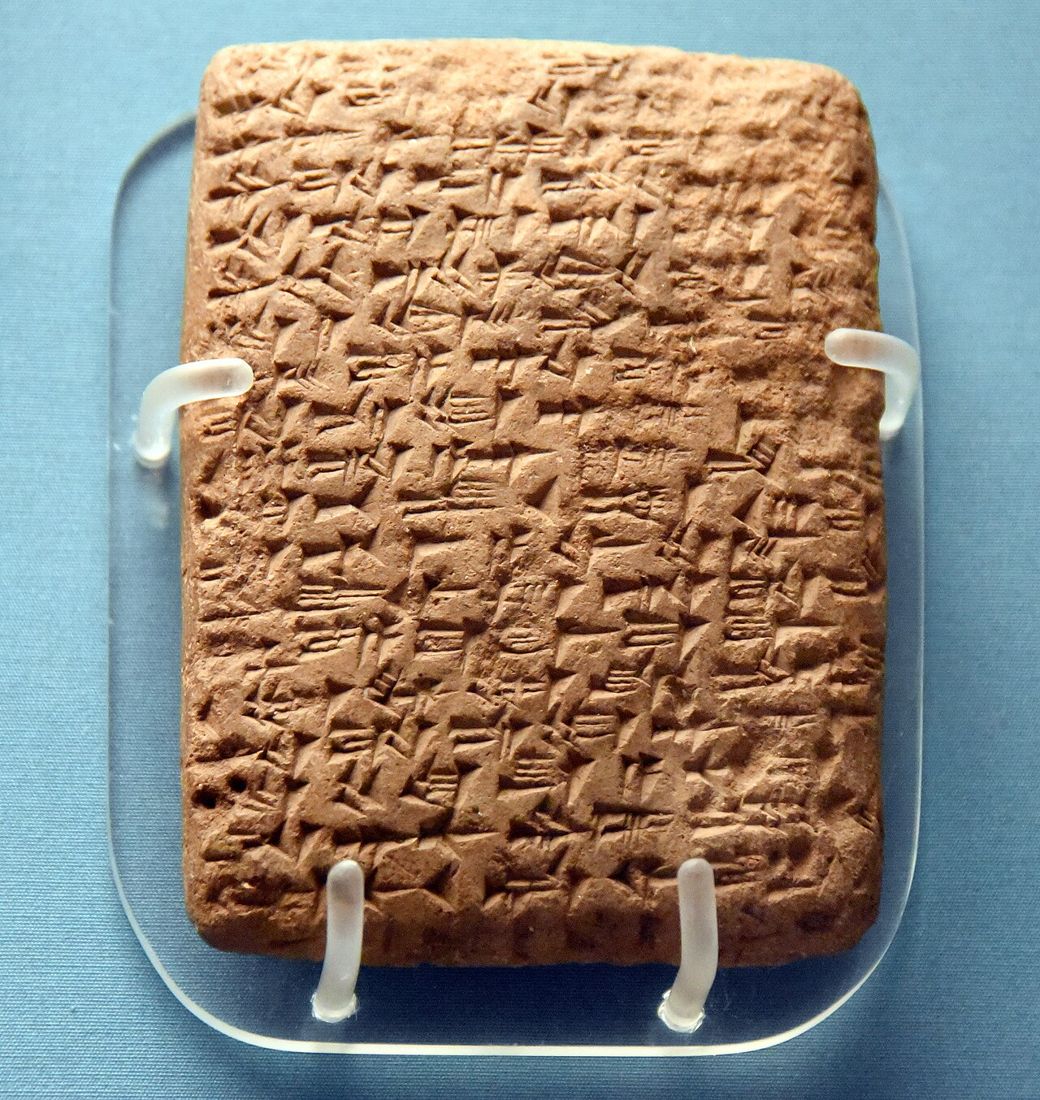
Akkadian is the earliest attested Semitic language, related to Arabic, Hebrew and Aramaic. The Akkadians adopted Sumerian cuneiform although it did not suit their language well, and used it to write Akkadian words syllable by syllable. The main dialects were Babylonian in the south and Assyrian in the north.
In the 2nd millennium BCE Akkadian became the international language of the Near East. Egyptian pharaohs corresponded in Akkadian with the rulers of Babylon and Mitanni and with vassals in Canaan, as the letters from Amarna in Egypt show, and even the Hittite version of the peace treaty with Egypt is written in Akkadian. In the 1st millennium BCE Aramaic gradually displaced it in everyday life.
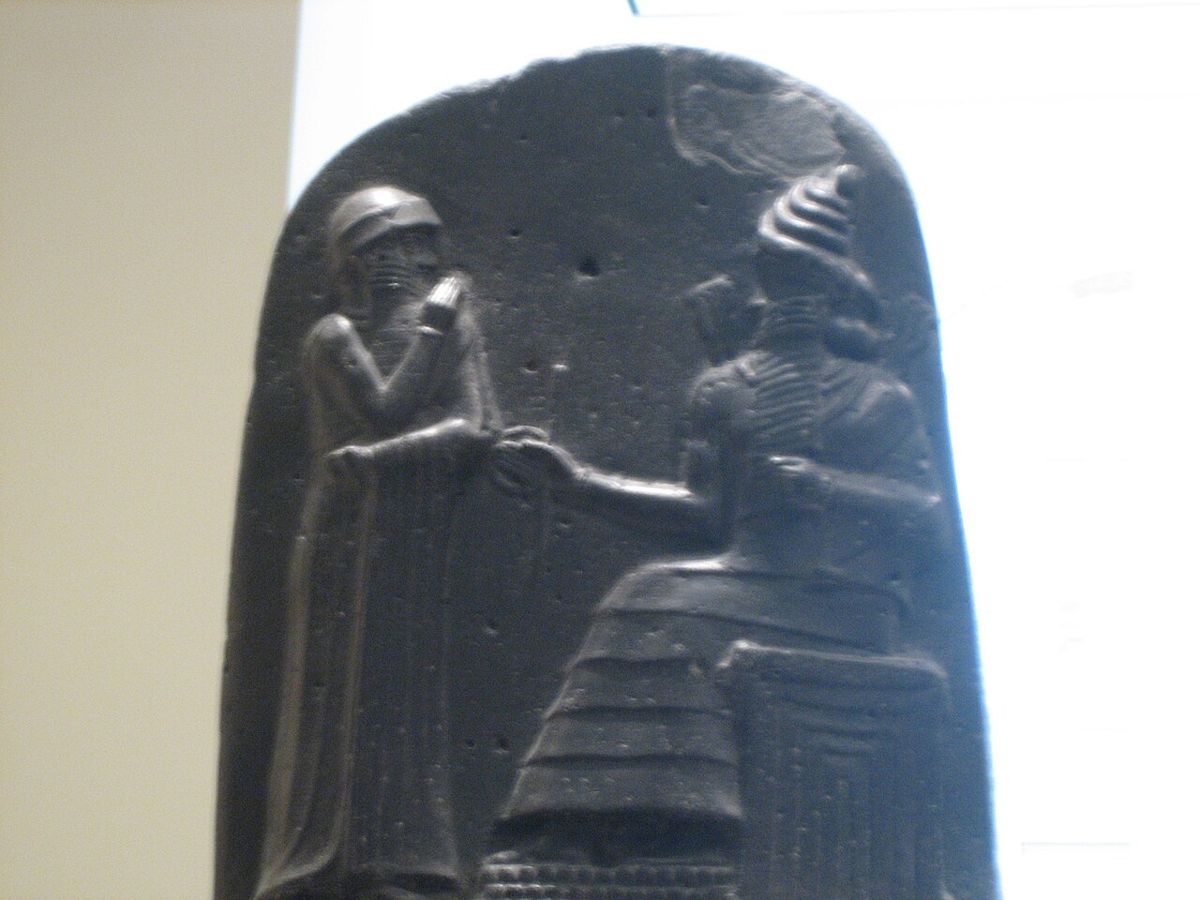
The Code of Hammurabi
In the 18th century BCE the Babylonian king Hammurabi had a set of 282 laws, as modern scholars number them, carved on a basalt stele. The code deals with trade, family, inheritance, wages and damages, and for some offences applies the principle of like for like: “If a man put out the eye of another free man, his eye shall be put out.” French archaeologists found the stele in 1901 at Susa in Iran, where the Elamites had carried it off; today it is in the Louvre.
The Epic of Gilgamesh
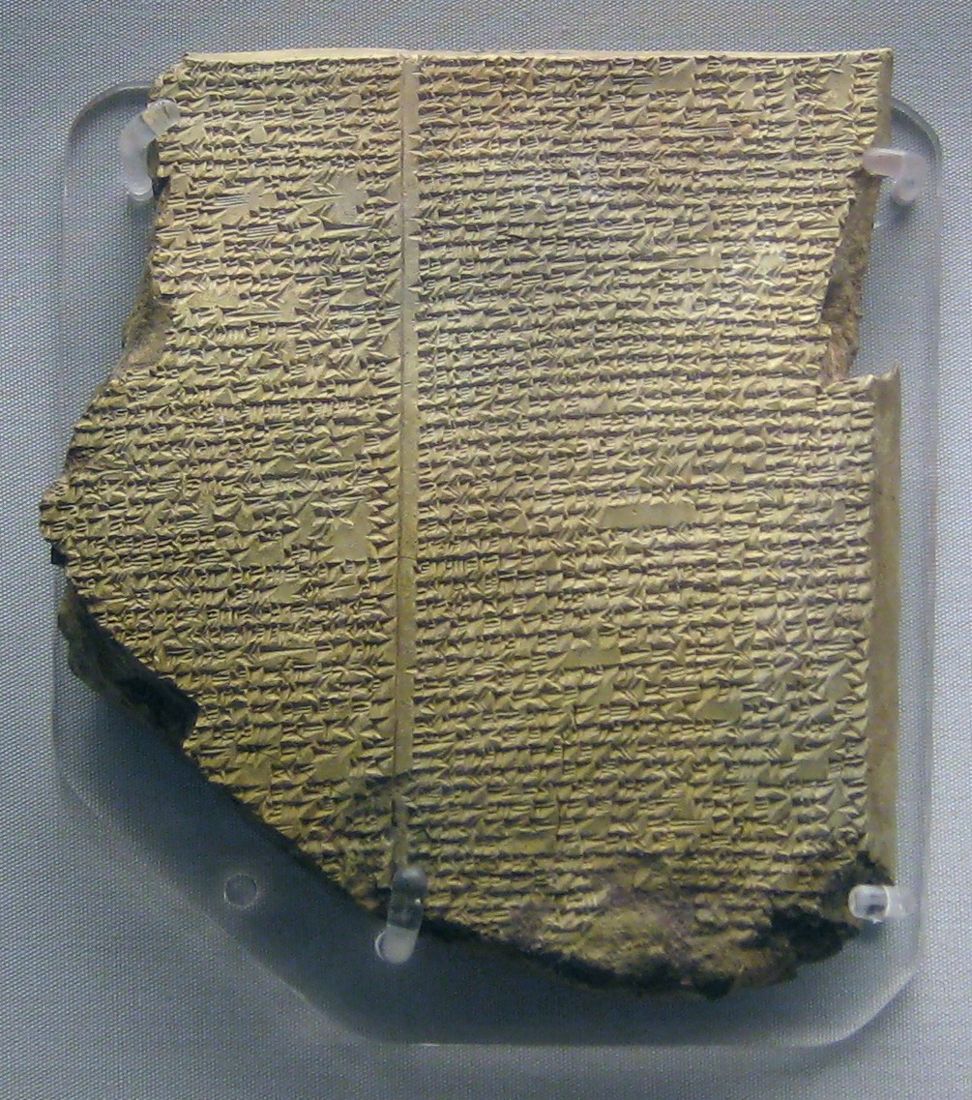
The story of King Gilgamesh of Uruk, his friend Enkidu and his vain search for immortality is one of the earliest great works of literature. The most complete is the Standard Babylonian version on twelve tablets, known mainly from the library of the Assyrian king Ashurbanipal at Nineveh (7th century BCE).
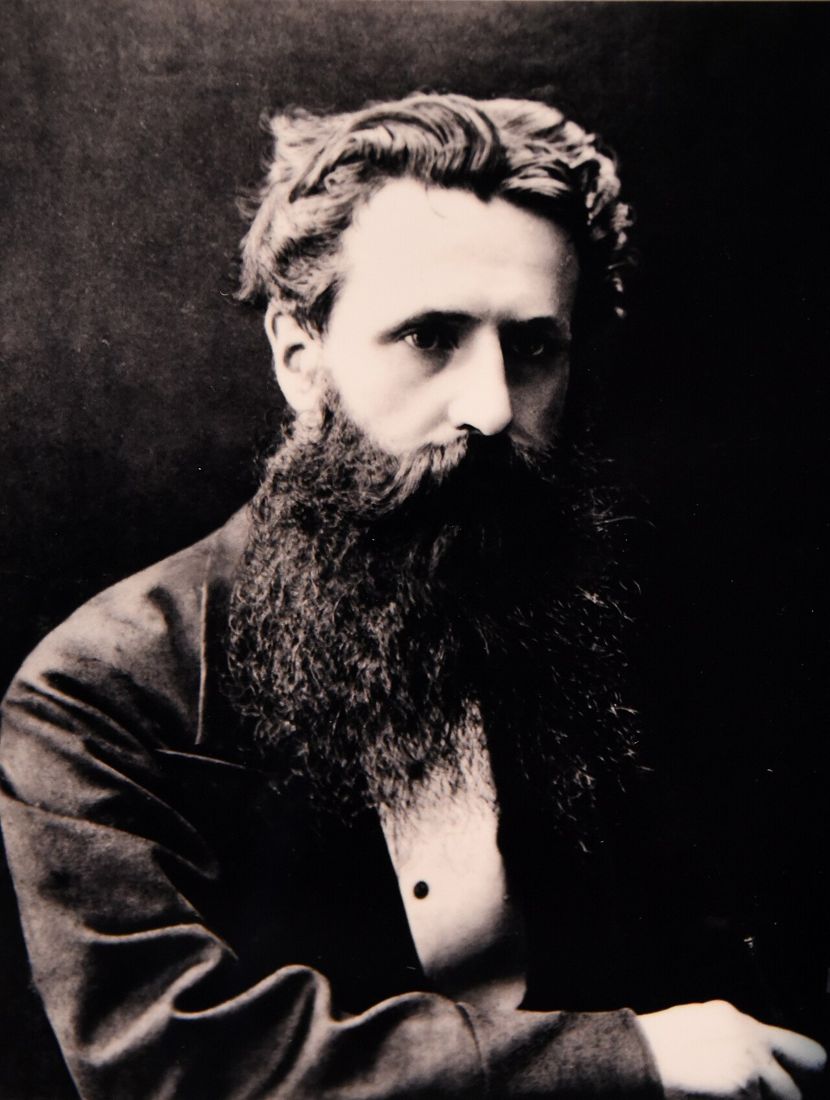
In 1872 George Smith of the British Museum read on Tablet XI a story of a flood strikingly similar to the biblical story of Noah, and caused a sensation. The epic was translated into Czech by the Assyriologist Lubor Matouš.
Counting in sixties
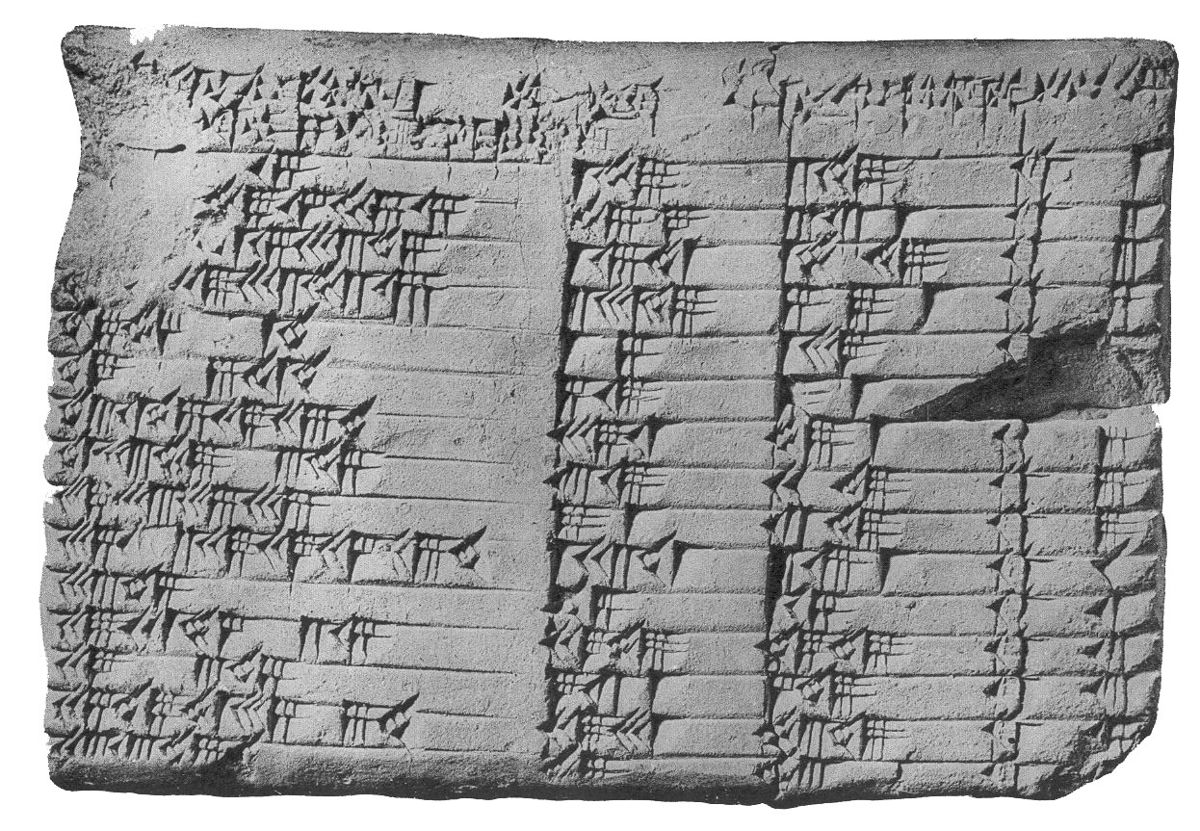
Mesopotamian scribes counted in base sixty. From it come the sixty minutes in an hour, sixty seconds in a minute and 360 degrees in a circle. Babylonian mathematicians solved quadratic problems and knew the relations between the sides of a right-angled triangle more than a thousand years before Pythagoras, as the Plimpton 322 tablet shows.
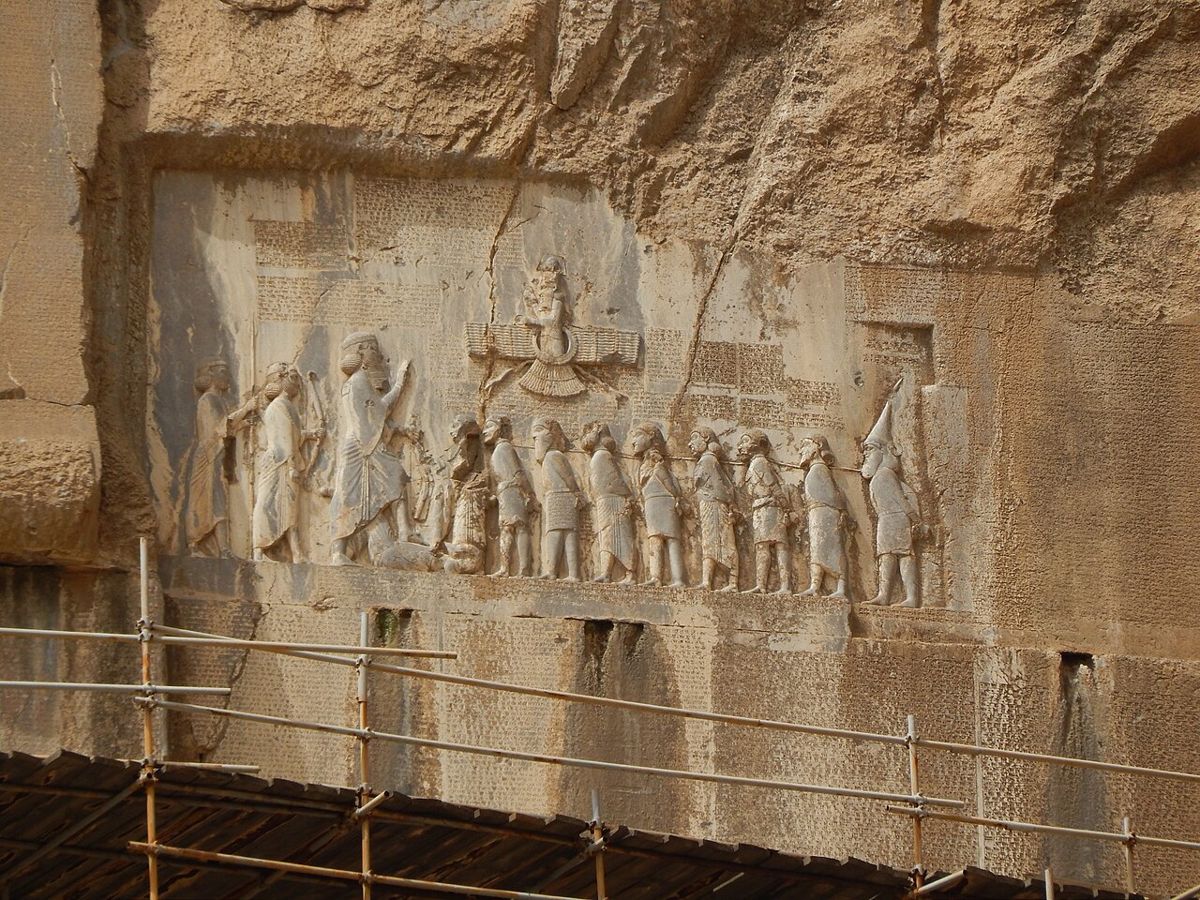
Decipherment: the rock at Behistun
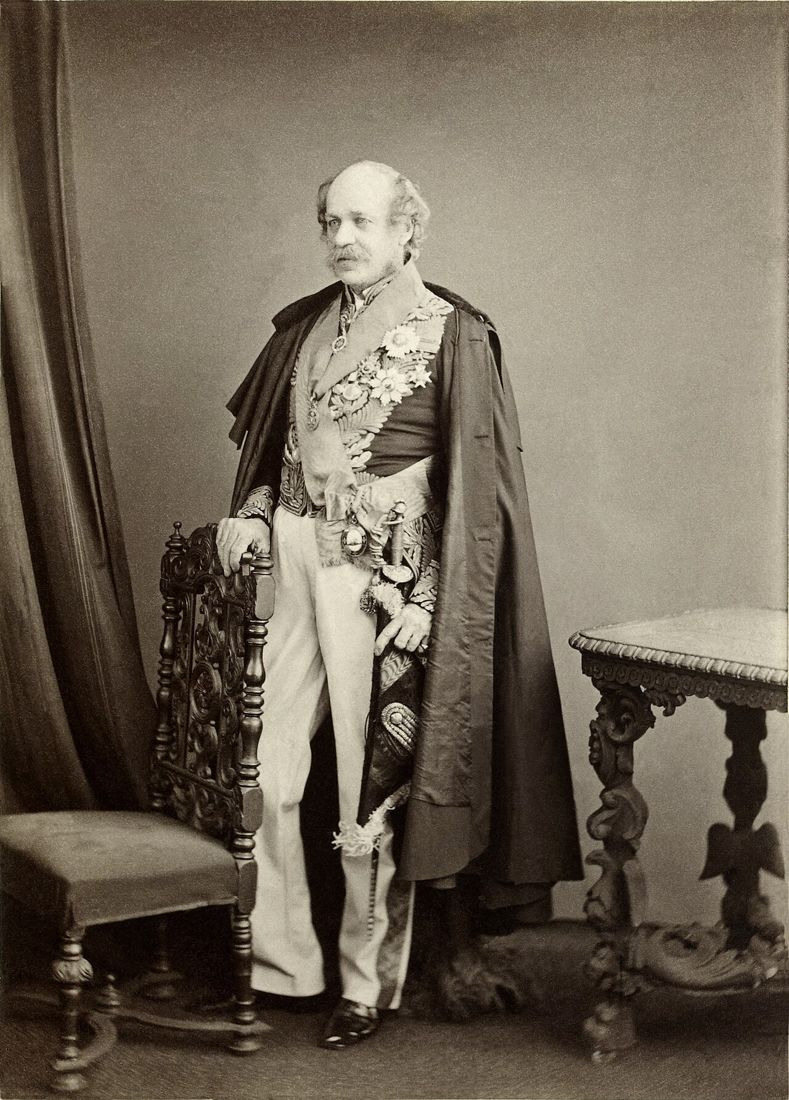
The key to decipherment was the inscription of the Persian king Darius I on a cliff at Behistun in western Iran: the same text in three languages and three kinds of cuneiform – Old Persian, Elamite and Babylonian. Old Persian script, with only a few dozen signs, was first tackled by Georg Friedrich Grotefend as early as 1802, from copies of inscriptions at Persepolis. In the 1830s and 1840s Henry Rawlinson copied the inscription with great effort, often from ladders on a narrow ledge; the least accessible Babylonian text was taken as paper squeezes in 1847 by a Kurdish boy hanging on ropes.
The Babylonian version showed that a single sign could have several readings and that the script mixed syllables with word signs; the Irish clergyman Edward Hincks contributed greatly to this. In 1857 Rawlinson, Hincks, William Henry Fox Talbot and Julius Oppert were independently given the same recently discovered inscription of the Assyrian king Tiglath-Pileser I to translate. Their translations agreed, confirming the decipherment of Akkadian.
Czech scholars
Bedřich Hrozný, who deciphered Hittite, led excavations at Kültepe in Turkey in 1925 and found there more than a thousand Old Assyrian merchants' tablets. The Assyriologist Lubor Matouš, author of the Czech translation of the Epic of Gilgamesh, devoted himself to editing them.
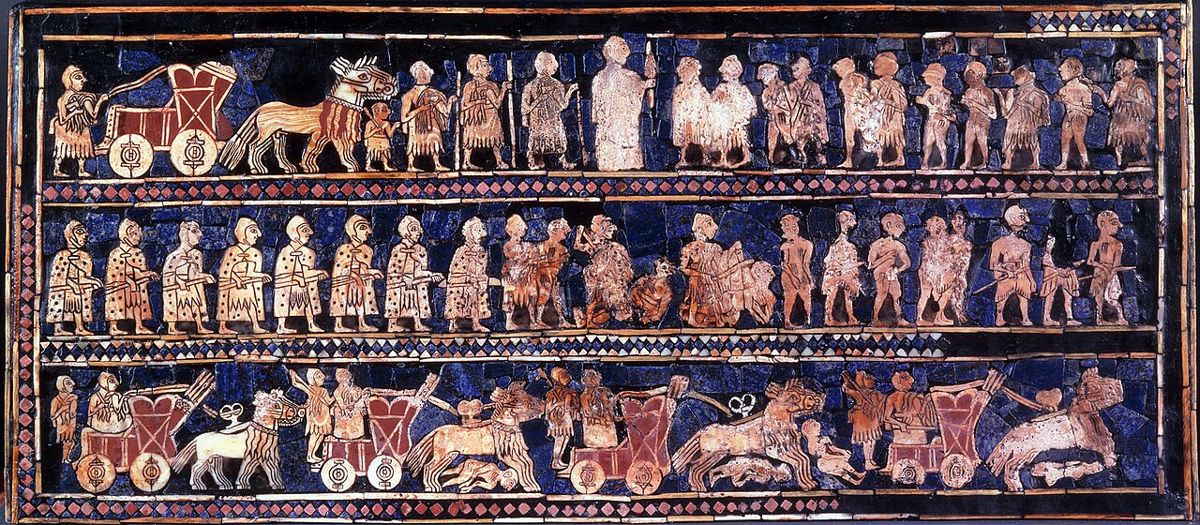
Art and architecture
Timeline
- c. 3300–3100 BCEThe earliest proto-cuneiform tablets from Uruk.
- c. 2600 BCEThe Royal Cemetery at Ur; the first literary texts in Sumerian.
- 24th c. BCESargon of Akkad founds the first empire.
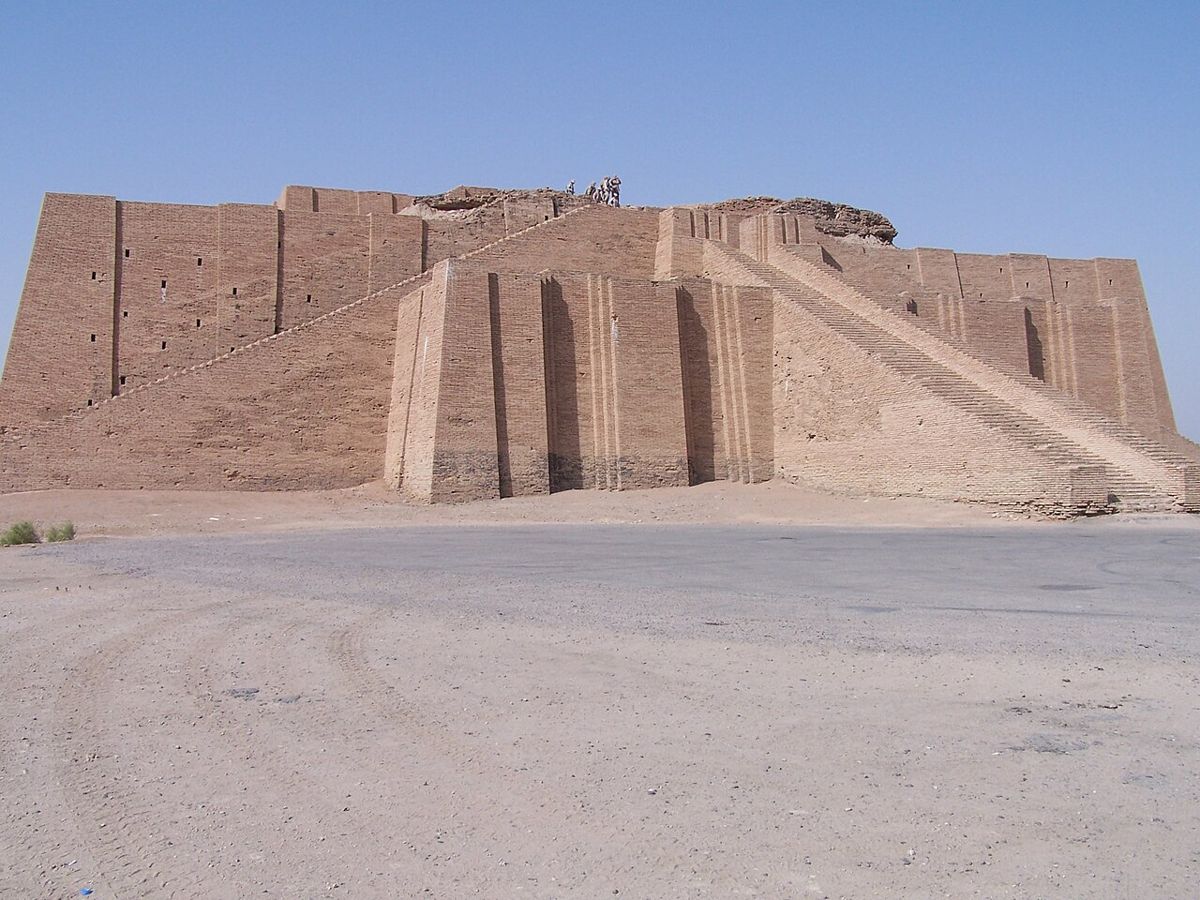
- 21st c. BCEThe Third Dynasty of Ur; the ziggurat of Ur.
- 18th c. BCEHammurabi of Babylon and his code.
- 14th c. BCEThe Amarna letters: Akkadian as the language of diplomacy.
- 7th c. BCEThe library of Ashurbanipal at Nineveh.
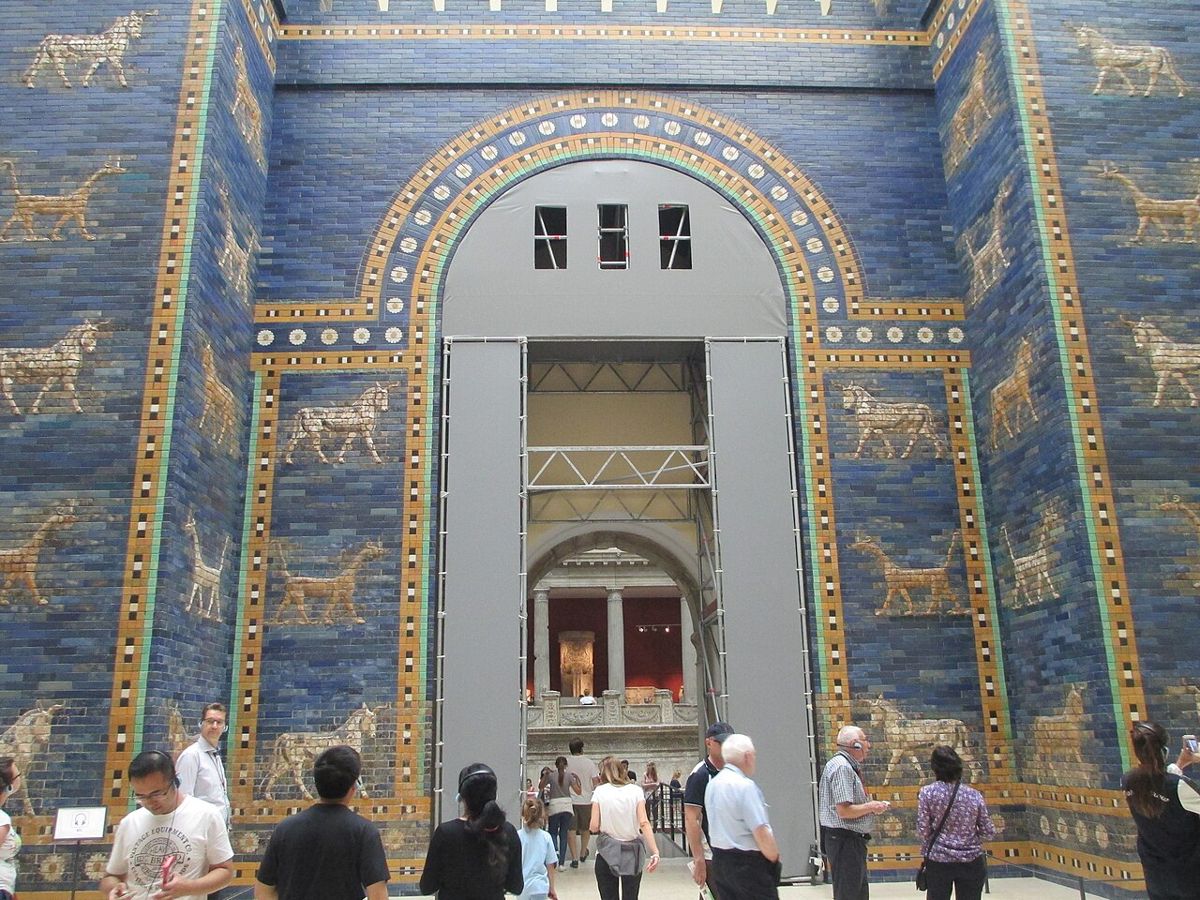
- 6th c. BCENebuchadnezzar II; the Ishtar Gate of Babylon.
- 539 BCEThe Persian king Cyrus conquers Babylon.
- 1st c. CEThe last dated cuneiform tablets (astronomical texts).
- 1802Grotefend begins deciphering Old Persian cuneiform.
- 1857The Royal Asiatic Society test confirms the decipherment of Akkadian.
- 1872George Smith reads the flood story.
The languages of Mesopotamia on the globe
Tap to show a language on the globe:
Sources and further reading
- Irving Finkel, Jonathan Taylor: Cuneiform. British Museum Press 2015.
- Marc Van De Mieroop: A History of the Ancient Near East, ca. 3000–323 BC. Wiley-Blackwell, 3rd ed. 2016.
- Dietz Otto Edzard: Sumerian Grammar. Brill 2003.
- John Huehnergard: A Grammar of Akkadian. Eisenbrauns, 3rd ed. 2011.
- Epos o Gilgamešovi (the Epic of Gilgamesh in Czech). Translated by Lubor Matouš. Prague.
- Cuneiform Digital Library Initiative (CDLI); Electronic Text Corpus of Sumerian Literature (ETCSL).
- Glottolog 5 (languages and their classification).