Language stories
Thematic pages about languages: how words travel between languages, how languages change, how they come back and what linguistics still does not know.
 Tea and other travelling wordsChinese 茶 by land and by sea · words that travelIn most languages for which we have data, the word for tea comes from Chinese 茶. It spread, however, in two forms: as cha, the pronunciation of most Chinese varieties, and as te, the pronunciation of the southern Chinese port of Xiamen. Which form a language has reveals where tea reached its speakers from, and by which route. Czech belongs to the cha languages: it borrowed čaj from Russian.
 Czech words in other languagesRobot, dollar, howitzer, pistol, polka · what is documented and what is disputedCzech has given the world’s languages only a few words, but some of them have spread very widely. Howitzer goes back to the weapons of the Hussite Wars and, on the prevailing view, so does pistol; dollar to a coin struck in Jáchymov, polka to a dance that arose in Bohemia in the 1830s, and robot to Karel Čapek’s play R.U.R. Not everything told about these words is documented, however – and dollar is in fact not a Czech word at all, but a German one.
 From Latin to the Romance languagesSpoken Latin · the break-up of the Empire · the first texts in the vernacularFrench, Spanish, Italian, Portuguese, Romanian and the other Romance languages do not descend from the literary Latin of Cicero and Virgil but from the Latin people spoke every day in the Roman provinces. Nobody ever stopped speaking it; it simply changed differently in each region until speakers from distant areas no longer understood one another. How that happened can be read from mistakes in inscriptions, school lists of “right and wrong”, glossaries of words that had become obscure, and the first texts to put the spoken language in writing.
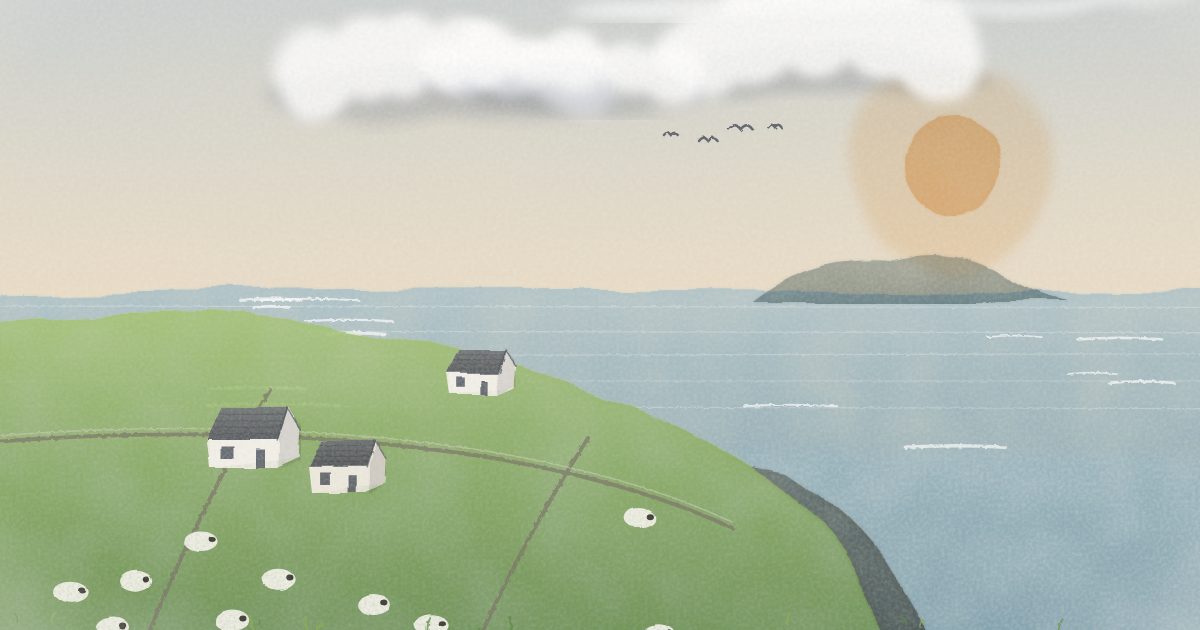 Languages coming backLanguage revitalisation · Wales, New Zealand, the Isle of Man and IsraelLanguages rarely disappear overnight. A community gradually shifts to another language, and parents stop passing the old one on to their children. Revitalisation tries to restore that transmission – through preschools and schools taught in the endangered language, legislation, media and adult classes. Welsh, Māori and Manx show three different starting points and three different outcomes. Hebrew is the only generally recognised case of a language without native speakers becoming the mother tongue of millions again.
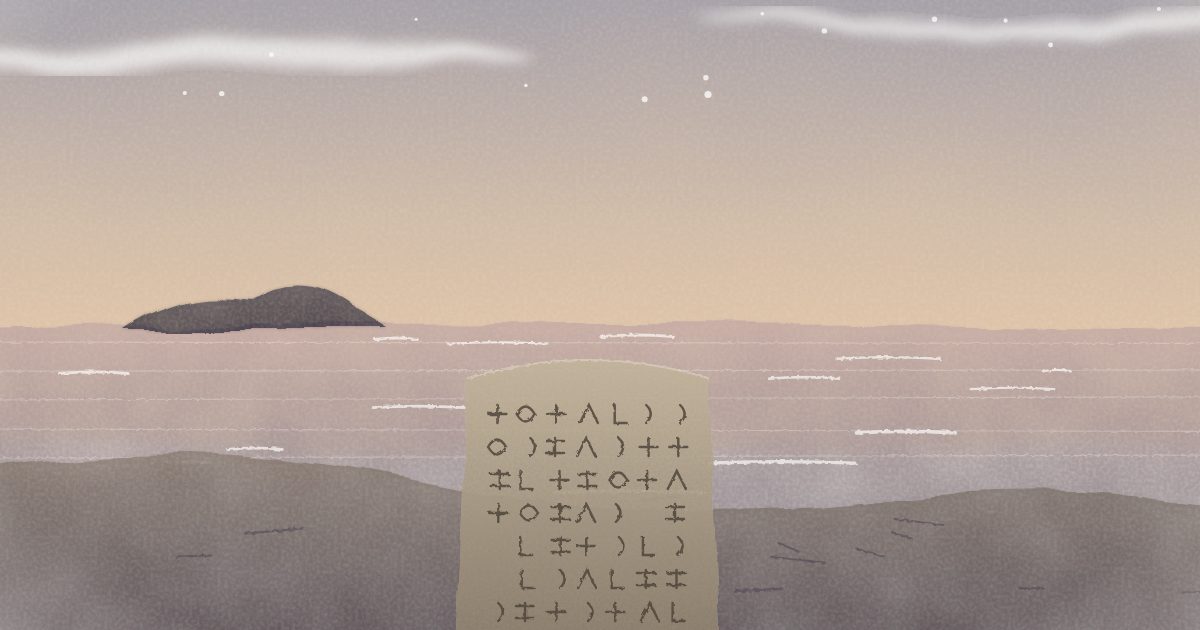 Linguistic mysteriesUndeciphered scripts · languages without relatives · disputed familiesLinguists can read cuneiform and hieroglyphs and reconstruct words spoken five or six thousand years ago. Yet some questions remain open: scripts nobody has read, languages whose relatives are unknown, and large families that specialists still argue about. This page keeps apart what is documented, what is hypothesis, and what keeps being repeated although it has not survived scholarly scrutiny.