Language stories
How Standard Czech came about
Glosses and digraphs · the Kralice Bible · the National Revival · the Rules and Common Czech
Standard Czech, as it is taught in schools and set out in the Rules of Czech Orthography, is not simply everyday speech put in writing. It is the product of more than seven hundred years of writing in Czech: from the first Czech words in Latin charters, through spelling reforms and the language of the Kralice Bible, to the revivalists who around 1800 rebuilt the standard on the model of sixteenth-century Czech. That is why Standard Czech differs in many features from Common Czech, the language people ordinarily speak in Bohemia.
A standard is not a dialect
A standard language is the fixed form of a language used for public and official communication: in schools, administration, science and the press. It differs from a dialect in being supra-regional, shared across the whole territory, and codified: its spelling, forms and vocabulary are set down explicitly in grammars, dictionaries and rules. No standard language is ever “naturally” complete; each is the outcome of a long history in which a selection from many possibilities gradually settled.
Following the periodisation of Bohuslav Havránek, the history of Czech is usually divided into Proto-Czech (late 10th to mid-12th century, not attested in writing), Old Czech (to the end of the 15th century), Middle Czech (16th to 18th centuries) and Modern Czech. Standard Czech passed through all of these, but not smoothly: after flourishing in the 16th century its use narrowed in the 17th and 18th, and around 1800 the revivalists deliberately went back to the older state. This break explains why present-day Standard Czech in some respects preserves the shape of the sixteenth-century language.
Latin, glosses and the first Czech sentences
In the early Middle Ages the main written language in Bohemia was Latin, and to a lesser extent Church Slavonic (on the Slavonic liturgy in Moravia and Bohemia see the page on the Slavs and Great Moravia). At first only single Czech words were written down in Latin texts: names of people and places (known as bohemica), glosses – Czech translations of words written into a text in another language – and marginal notes. Czech glosses in Hebrew script also survive in Jewish writings. The oldest surviving Czech sentence is usually taken to be a note from the early 13th century added to the foundation charter of the Litoměřice chapter, which is dated to 1057.
The oldest Czech hymn, Hospodine, pomiluj ny (“Lord, have mercy on us”), is older than most surviving texts, but by how much is disputed: its origin is placed anywhere between the 10th and the 13th century, and the earliest records of it date only from the 14th. Around 1300 and in the early 14th century the first long works in Czech appear, such as the verse Alexandreis and the Chronicle of Dalimil. During the 14th century Czech spreads to further kinds of text; in the second half of the century the first complete translation of the Bible is made, and by its end official charters are written in Czech. In the early 15th century, the time of Jan Hus’s preaching, the readership of Czech literature widens further.
From digraphs to diacritics
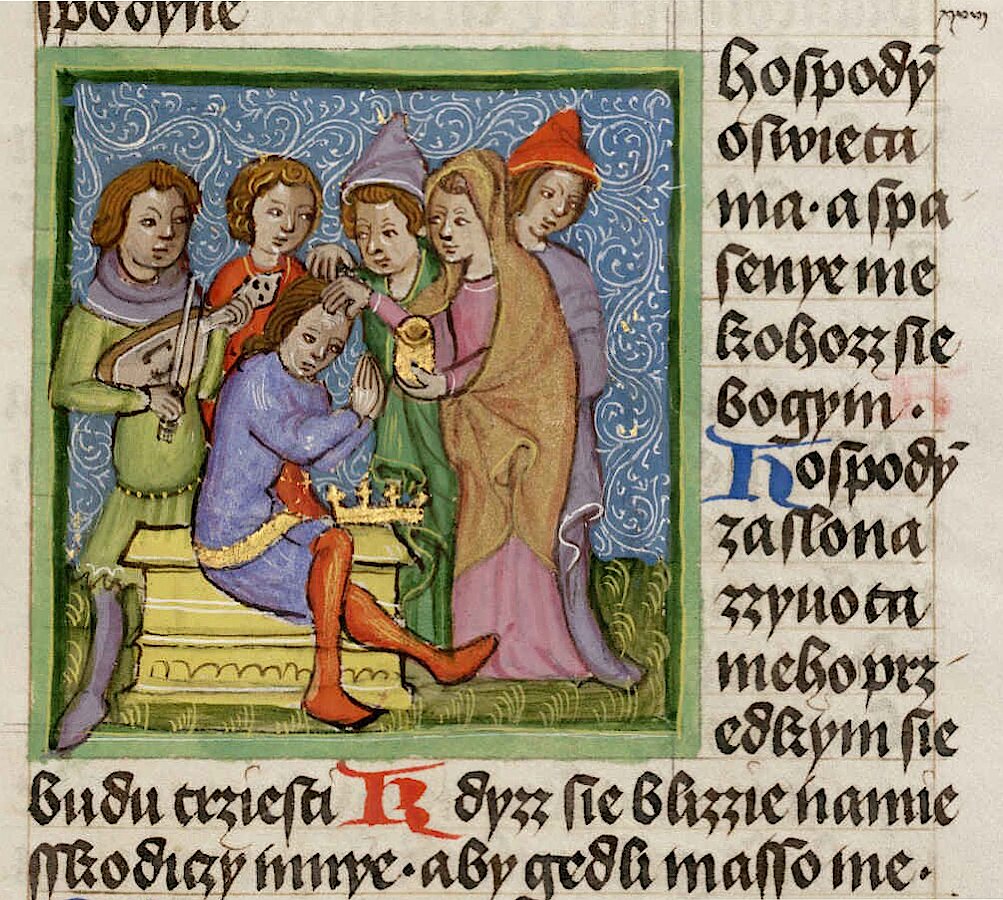
The Latin alphabet had no letters for many Czech sounds, such as č, š, ž, ř or ě. The earliest records use what is called the primitive spelling: unmodified Latin letters, so that c, for instance, could stand for k, c or č. During the 13th century a digraph spelling began to appear, in which a group of letters represented one sound: rz or rs for ř, cz for c and č, ss for š and (in the later digraph spelling) zz for ž; in the older spelling zz stood for s. There were no binding rules, and scribes used the digraphs inconsistently. In 1894 Jan Gebauer distinguished five phases in the history of Czech spelling: primitive, digraph, diacritic, Brethren and modern.
In the early 15th century the Latin treatise De orthographia Bohemica (“On Czech Spelling”) proposed replacing the digraphs with marked letters: soft consonants were to be written with a dot above the letter (punctus rotundus) and long vowels with a stroke (virgula). The treatise is anonymous; tradition ascribes it to Jan Hus, but his authorship has not been proved. The proposal caught on only slowly, and until the mid-16th century digraphs and diacritics were used side by side. In the 16th century the dot developed into the háček. The Czech way of marking sounds with diacritics was later taken over by other languages as well, among them Croatian, Slovene and Lithuanian.
How Czech was written
The examples are transcribed from the sources, including the long ſ. The last two columns show how the words sound or are spelled today and what changed in the spelling.
| example | source and date | today | what changed |
|---|---|---|---|
| Pauel dal geſt ploſcoucih zemu | note in the Litoměřice charter, early 13th c. | “Pavel gave land at Ploškovice”, today Ploskovice near Litoměřice | primitive spelling: u for v, g for j, c for k, ſ for š, h for ch; neither softness nor length is marked |
| przed kym · kdyzz · gedli | Olomouc Bible, 1417 | před kým · když · jedli | digraphs rz = ř, zz = ž; g for j; length not marked |
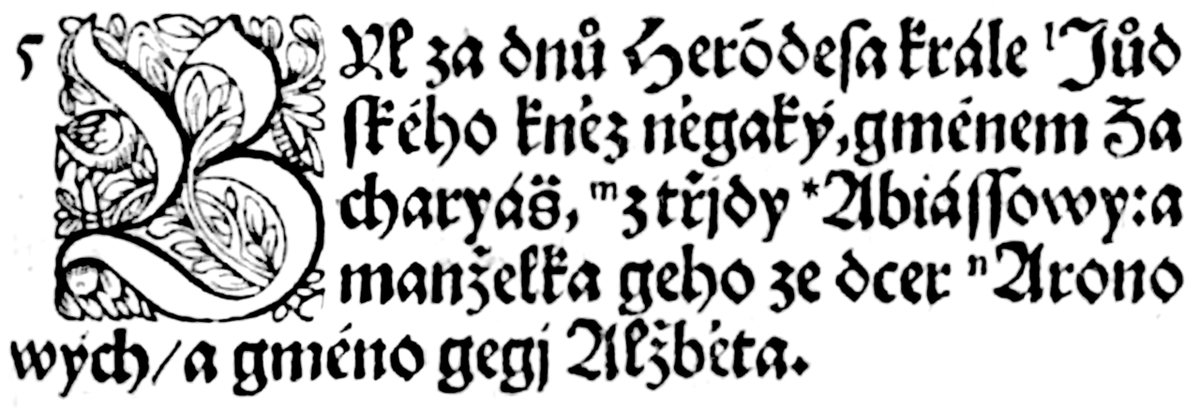
| gménem · geho · něgaký | Kralice Bible, 1593 | jménem · jeho · nějaký | háček and acute already in use, but g stands for j |
| třjdy · gegj · Abiáſſowy | Kralice Bible, 1593 | třídy · její · Abiášovy | j for long í, ſſ for š inside a word, w for v |
| cyzý | Brethren spelling, 16th–18th c. | cizí | y was always written after c, s, z; Dobrovský regularised the endings (1819), the roots followed in the 1840s |
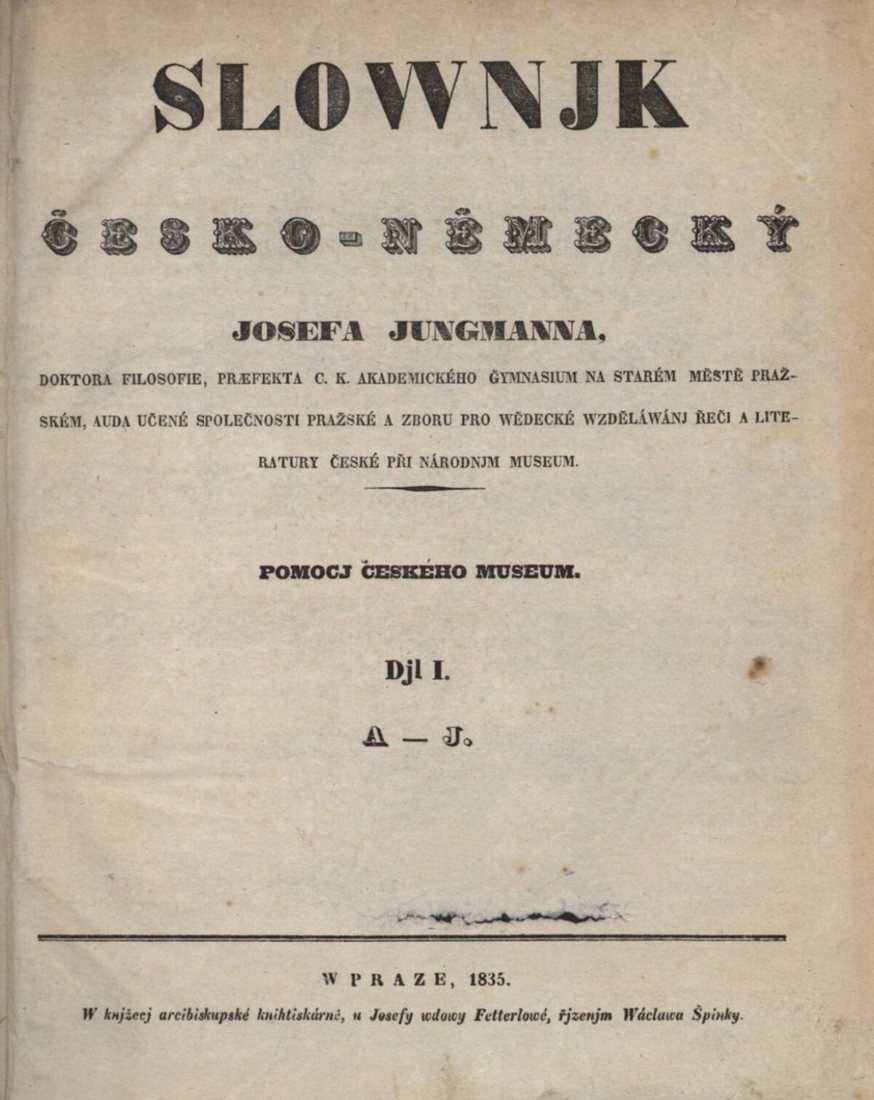
| Slownjk · Djl | Jungmann’s dictionary, 1835 | Slovník · Díl | w → v and j → í; changes adopted in 1842–1849 |
| se sbírkau příkladů | Jungmann’s Slovesnost, 1845 | se sbírkou příkladů | au → ou, likewise in the mid-19th century |
Printing, grammars and Jan Blahoslav
In the 16th century Czech spread into science, law and religious writing, and scholars began to take a systematic interest in the language itself. Printing called for a uniform text, and the so-called Brethren spelling, named after the prints of the Unity of the Brethren, became established in printed books. It was essentially diacritic but kept a few digraphs, chiefly ch and, inside a word, ſſ for š. The dot over soft consonants turned into the háček (č, ď, ň, ř, ť, ž), length was marked with the acute, and the small o written over u for the diphthong uo, already in the 15th century, became the ring (ů). The prints, however, wrote the sound j as g, long í as j, v as w, the diphthong ou as au, and always y after c, s, z.
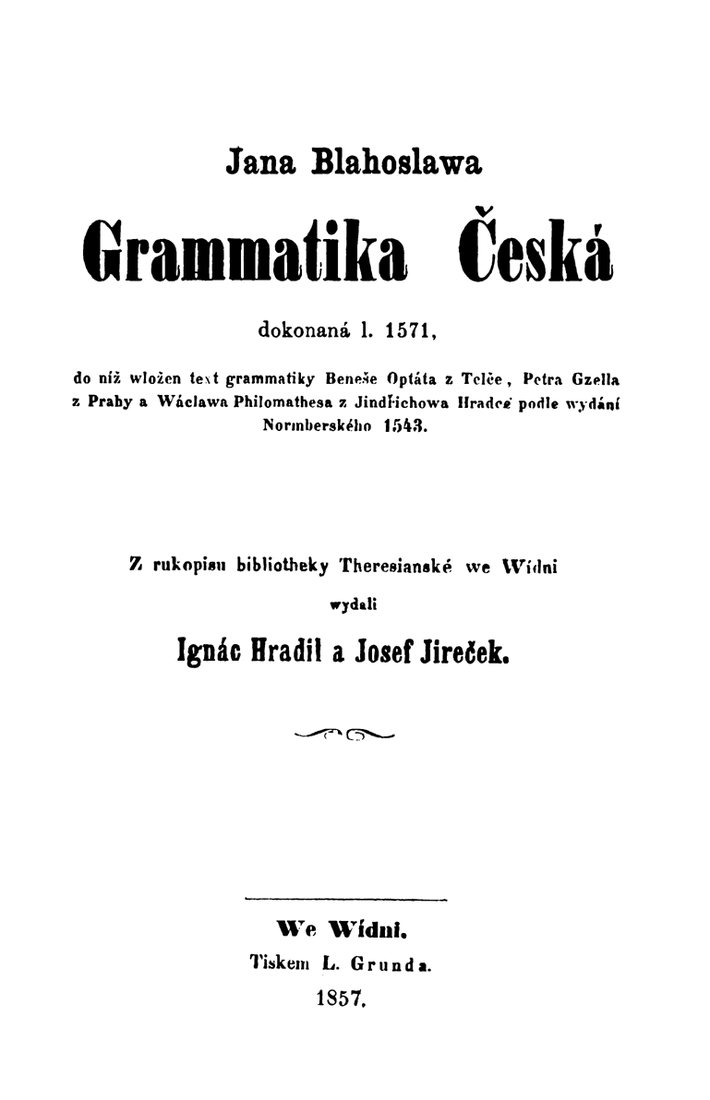
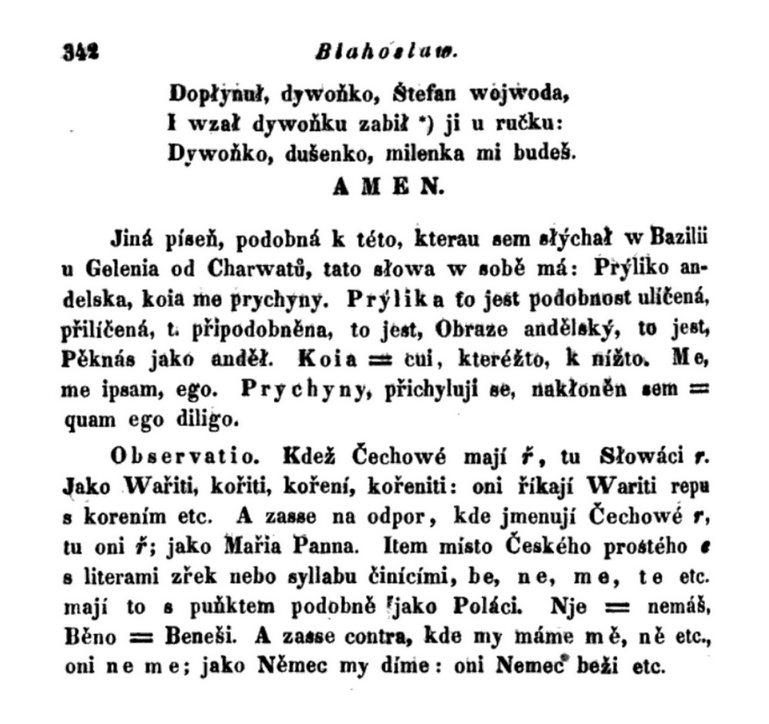
In 1533 the Czech grammar of Beneš Optát, Petr Gzel and Václav Philomates appeared in print. It was taken up by Jan Blahoslav (1523–1571), a bishop of the Unity of the Brethren educated at humanist schools and at the University of Wittenberg. In 1564 he published at Ivančice his own translation of the New Testament, made with reference to the Greek original, and in 1571 he completed the manuscript of his Czech Grammar. Its first part copies and comments on the grammar of Optát and Philomates; the second offers a wealth of examples of how to render the words and constructions of the biblical text correctly. The grammar remained in manuscript and was not printed until 1857, but according to the prevailing view the principles it sets out strongly shaped the language of the Kralice Bible.
Blahoslav’s Czech Grammar
The Kralice Bible
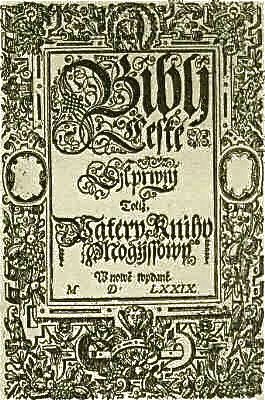
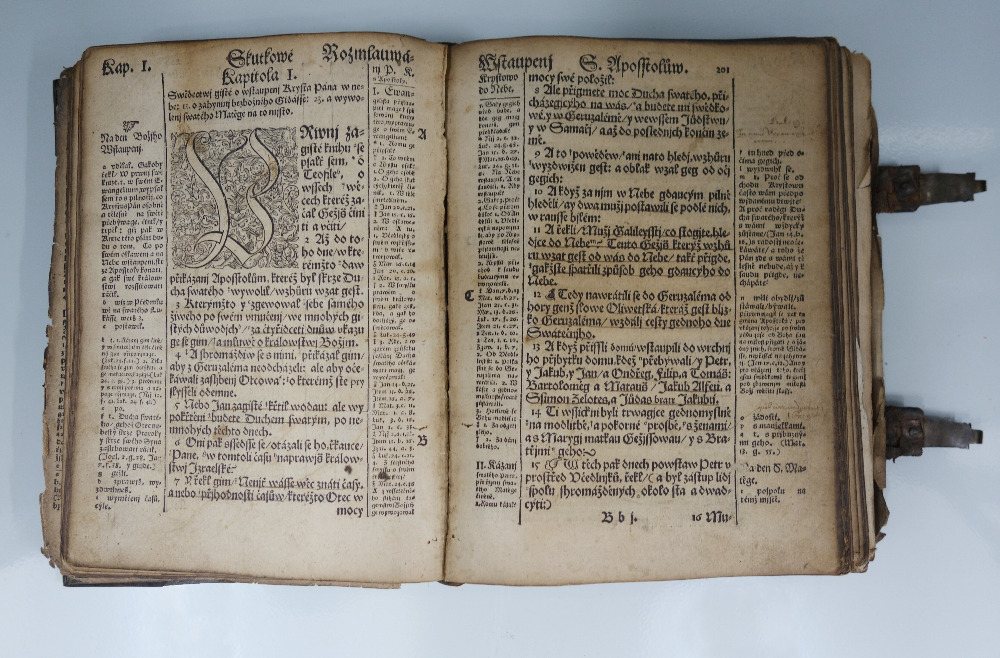
The Kralice Bible is the first Czech translation of the whole Bible from the original languages – Hebrew, Aramaic and Greek – rather than from the Latin Vulgate. It was the work of translators and theologians of the Unity of the Brethren: the Old Testament was translated by a team led by Bishop Ondřej Štefan, while for the New Testament they took over Blahoslav’s revised translation. The Bible was printed at the Brethren’s secret press in the fortified manor at Kralice nad Oslavou in six volumes dated 1579–1594 (the New Testament is inconsistently dated 1593 and 1594), with extensive explanatory notes in the margins. It was the first Czech Bible to divide the chapters into verses.
In 1596 the Kralice Bible was issued in a single volume without notes, and again, revised once more, in 1613. This “last Kralice edition” became the basis of later editions, because after 1620 the Unity of the Brethren had to cease its activity. During the Counter-Reformation the Bible was on the Catholic Index of Forbidden Books and was printed abroad, for instance at Halle in 1722.
The language and spelling of the Kralice translation, often called “Bible Czech” (bibličtina), became the model for the standard language. That model outlived the period when the Kralice Bible could not be printed in the Czech lands, and the revivalists of the early 19th century built on it.
The six-volume edition
After the White Mountain
After the defeat of the Estates’ rebellion at the White Mountain in 1620, a large part of the non-Catholic nobility and educated class left the Czech lands for exile, among them Jan Amos Komenský (Comenius). The Renewed Land Ordinance of 1627 (Moravia 1628) put German on an equal footing with Czech. Over the following decades the use of standard Czech gradually narrowed: science went first, then much of the more ambitious literature, and finally administration. Czech continued to be written and printed, in exile and at home, especially in Jesuit circles; sermons, religious poetry and reading matter for less educated readers were produced. In the 1670s the Jesuit Bohuslav Balbín wrote a Latin defence of the Czech language (Dissertatio apologetica), which was not printed until 1775.
While the written standard changed only a little in this period, spoken Czech went on developing. The dialects, especially those of Moravia and Silesia, grew further apart, and German loanwords made their way into urban speech. The gap between the language of books and everyday speech widened, and the revivalists’ codification later had to reckon with it.
The 17th and 18th centuries came to be called the “age of darkness” (doba temna). The label is a later, revivalist judgement, popularised above all by Alois Jirásek’s novel Temno (“Darkness”, 1915). Literary historians today regard it as misleading as a blanket description: the period did see a decline in Czech-language science and ambitious literature, but also a large body of Baroque writing, and how it should be assessed remains a matter of scholarly debate.
The Revival: Dobrovský, Jungmann, Šafařík
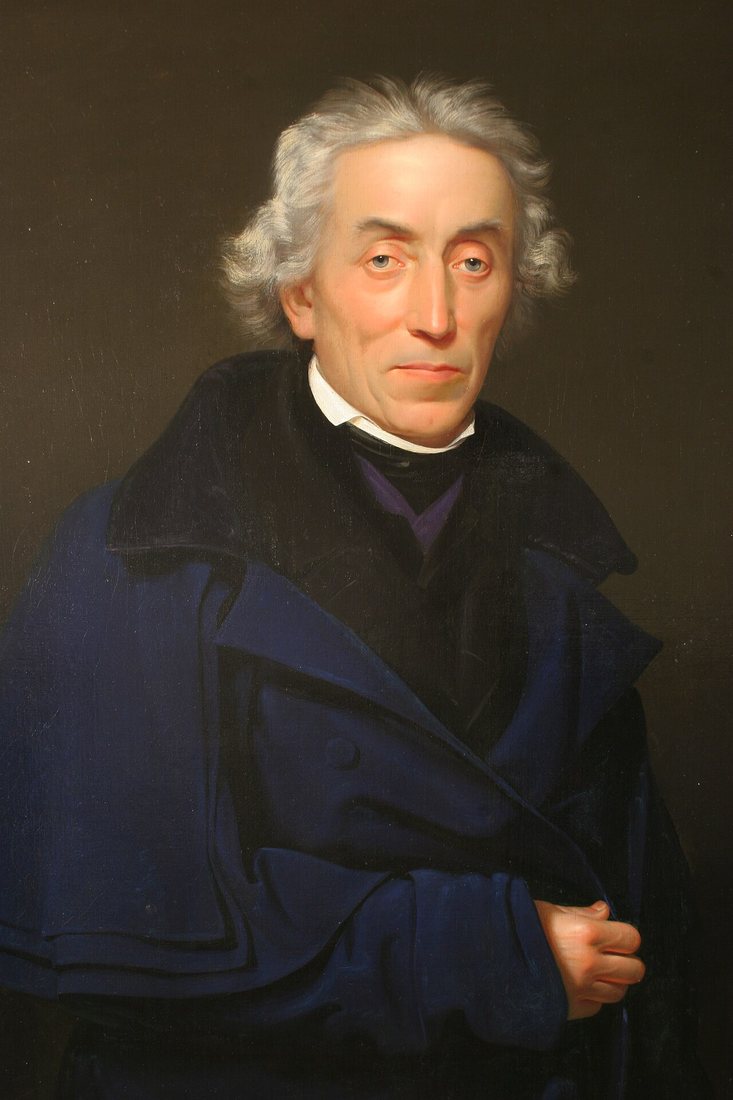
In the late 18th century, when Joseph II’s attempts to make German the single language of administration proved unworkable, scholars set out to restore Czech as a language of literature and learning. The rural speech of the common people was alien to them, and as their model they chose the literary language of the late 16th century – the so-called age of Veleslavín – and the works of Comenius. The decisive work was Josef Dobrovský’s (1753–1829) grammar Ausführliches Lehrgebäude der böhmischen Sprache (“A detailed grammar of the Czech language”) of 1809, written in German; in its second edition of 1819 Dobrovský introduced the so-called analogical correction, which regularised the spelling of i and y after c, s, z in endings according to grammatical patterns. He regarded the language of the Kralice Bible as the model for standard Czech.
By codifying sixteenth-century Czech, Dobrovský left out of the standard the changes that had meanwhile taken place in the spoken Czech of Bohemia – for example the change of ý to ej (dobrej, bejt), which appears in speech as early as the 15th century. That is why Standard and Common Czech now exist side by side with regular differences between them.
The second pillar of the revival codification was the five-volume Czech–German Dictionary of Josef Jungmann (1773–1847), published in 1835–1839 (sometimes given as 1834–1839), with about 120,000 entries. Jungmann drew on the vocabulary of the Kralice period and on the language of his contemporaries; he revived forgotten words from old texts, borrowed from other Slavic languages and coined new ones, many of which took root. Czech scientific terminology was created at the same time; Jan Svatopluk Presl, for instance, introduced the chemical names kyslík (oxygen) and vodík (hydrogen).
In the mid-19th century the spelling came close to today’s. In the 1840s the so-called oprava skladná (“consistent correction”), associated with Pavel Josef Šafařík (1795–1861), prevailed: j began to be written instead of g, and í instead of j; the prints of the Matice česká followed it from 1842. Writing v for w and ou for au, which the Museum committee still rejected in 1842, took hold only from 1849–1850. Fraktur, the blackletter of older prints, was gradually replaced by roman type.
The grammar and the dictionary of the Revival
Gebauer, the Rules and the Prague Linguistic Circle
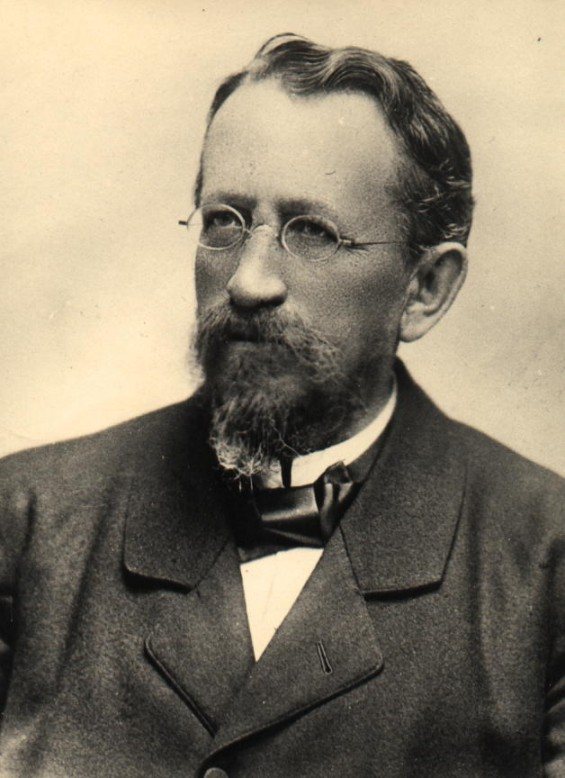
Jan Gebauer (1838–1907), professor at the Czech university in Prague, laid the foundations of Czech historical grammar (Historická mluvnice jazyka českého, from 1894) and began the Old Czech Dictionary, which he did not live to complete. In 1902 he published his Rules of Czech spelling and morphology, approved by the Ministry of Religion and Education – the first Rules of Czech Orthography. They included an overview of inflection and, where two forms competed, preferred the older one; they also abolished double consonants in foreign words. Later editions, with more substantial changes in 1913, 1941, 1957 and 1993, brought the norm closer to the living language; in the course of the 20th century, for example, the spelling of foreign words was gradually made more Czech (gymnasium → gymnázium).
The Prague Linguistic Circle, founded on 6 October 1926 by Vilém Mathesius, brought a new understanding of the standard language. In the volume Spisovná čeština a jazyková kultura (“Standard Czech and Language Cultivation”, 1932), edited by Bohuslav Havránek and Miloš Weingart, its members opposed the linguistic purism of the day, which judged correctness by the history of words and set out to “cleanse” Czech of real and supposed Germanisms. In the functional view, a standard language should be judged by how well it serves present-day tasks – from everyday conversation to technical writing – and its norm should have “flexible stability” (Mathesius): settled, yet changing with the needs of its speakers. Codification, on this view, describes the norm rather than creating it. These ideas became the starting point of the Czech theory of the standard language.
Standard and Common Czech
Alongside Standard Czech, the everyday spoken language of Bohemia and western Moravia is Common Czech (obecná čeština). It is an uncodified interdialect – a variety above the individual dialects – that grew out of the dialects of Bohemia; by a common estimate about two thirds of the population of the Czech Republic speak it. It differs from the standard in regular features of sounds and forms, many of which go back to the 15th century. In Moravia and Silesia, which many changes from Bohemia never reached, other interdialects and dialects carry more weight; since the second half of the 20th century, however, Common Czech features have been spreading there too, mainly through the media.
Between Standard and Common Czech lies colloquial Standard Czech (hovorová čeština), a less formal spoken form of the standard (chleba, knížka against the bookish chléb “bread”, kniha “book”). Together they form a scale on which speakers choose according to the situation. During the 20th century the standard absorbed many features of spoken language, and dictionaries of Standard Czech now include some expressions that are making their way from Common Czech into the standard.
Whether the Czech situation amounts to diglossia is disputed. In 1959 the American linguist Charles Ferguson used this term for a society in which two markedly different forms of a language coexist with strictly separated functions – typically Standard Arabic and the Arabic dialects. Some linguists, in the Czech context above all the circle around Petr Sgall, regarded the Czech situation as diglossia or close to it and proposed loosening the standard towards spoken usage. Others point out that Standard and Common Czech are very close, that the standard is also used in speech and that the varieties shade gradually into one another, and so do not speak of diglossia.
Standard Czech is codified today by the Institute of the Czech Language of the Czech Academy of Sciences, above all in the Rules of Czech Orthography, the Dictionary of Standard Czech, the Dictionary of the Standard Czech Language and the online Language Reference Guide. No law makes the Rules binding as such. The Ministry of Education usually approves them for use in schools, and the Institute’s handbooks are generally regarded as official.
Standard and Common
The most frequent regular differences between Standard and Common Czech. Common Czech forms are non-standard, not “wrong”: they follow rules of their own.
| standard | common | difference |
|---|---|---|
| dobrý · být · mlýn | dobrej · bejt · mlejn | ý → ej (“good · to be · mill”); the change appears in speech as early as the 15th century |
| mléko · létat | mlíko · lítat | é → í (“milk · to fly”) |
| malé město | malý město | é → ý in adjective endings (“small town”) |
| malí lidé, malé ženy | malý lidi, malý ženy | a single plural ending for adjectives (“small people, small women”) |
| okno · otevřít | vokno · votevřít | v- before initial o- (“window · to open”); in the dialects of Bohemia since the 14th century |
| řekl · mohl | řek · moh | loss of -l in the masculine past participle (“said · could”) |
| s dobrými lidmi | s dobrejma lidma | a single ending -ma in the instrumental plural (“with good people”) |
| když · jablko | dyž · japko | simplified consonant clusters (“when · apple”) |
Key terms
Basic terms used in Czech linguistics and sociolinguistics.
- Standard language
- The fixed, codified, supra-regional form of a language used for public and official communication.Standard Czech, Standard Slovak
- Norm and codification
- The norm is the set of forms a speech community actually uses and regards as correct; codification is its explicit record in grammars, dictionaries and rules.the Rules of Czech Orthography
- Digraph
- A group of two or more letters representing a single sound.Old Czech rz for ř; today’s ch
- Diacritics
- Marks above or below letters that change their sound value.háček (č), acute (á), ring (ů)
- Common Czech
- The uncodified interdialect of Bohemia and western Moravia.dobrej, mlíko, vokno
- Colloquial Standard Czech
- The spoken, less formal form of the standard language.chleba, knížka
- Diglossia
- The parallel use of two markedly different forms of a language with separate functions (Ferguson 1959).Standard Arabic and the Arabic dialects
Timeline
- early 13th c.A note added to the foundation charter of the Litoměřice chapter (dated to 1057), usually regarded as the oldest surviving Czech sentence.
- early 15th c.The treatise De orthographia Bohemica proposes a diacritic spelling; its authorship is uncertain, tradition ascribes it to Jan Hus.
- 1533The Czech grammar of Beneš Optát, Petr Gzel and Václav Philomates appears in print.
- 1571Jan Blahoslav completes the manuscript of his Czech Grammar.
- 1579–1594The six-volume edition of the Kralice Bible with explanatory notes.
- 1613The last Kralice edition, in one volume; it becomes the model for later editions printed in exile.
- 1627The Renewed Land Ordinance in Bohemia (Moravia 1628) puts German on an equal footing with Czech.
- 1809Dobrovský’s Ausführliches Lehrgebäude der böhmischen Sprache; second edition 1819.
- 1817–1818The Dvůr Králové and Zelená Hora Manuscripts appear; they were later shown to be forgeries.
- 1835–1839Jungmann’s five-volume Czech–German Dictionary.
- 1886In Masaryk’s journal Athenaeum, Jan Gebauer sets out the linguistic evidence against the Manuscripts.
- 1902Gebauer’s Rules of Czech spelling and morphology, the first Rules of Czech Orthography.
- 1932The volume Standard Czech and Language Cultivation sets out the functional view of the standard language.
- 1993The most recent substantial revision of the Rules of Czech Orthography.
Sources and further reading
- Arnošt Lamprecht, Dušan Šlosar, Jaroslav Bauer: Historická mluvnice češtiny. Státní pedagogické nakladatelství, 1986.
- František Cuřín: Vývoj spisovné češtiny. Státní pedagogické nakladatelství, 1985.
- Josef Vintr: Das Tschechische. Hauptzüge seiner Sprachstruktur in Gegenwart und Geschichte. Otto Sagner, 2001.
- Bohuslav Havránek, Miloš Weingart (eds.): Spisovná čeština a jazyková kultura. Melantrich, 1932.
- Petr Karlík, Marek Nekula, Jana Pleskalová (eds.): Encyklopedický slovník češtiny. Nakladatelství Lidové noviny, 2002.
- Charles A. Ferguson: Diglossia. Word 15 (1959), pp. 325–340.